
/ earthworks /
Certificate of Restoration in BC: where the earthworks fit
How a well site gets to a Certificate of Restoration from the BC Energy Regulator, what each stage covers, and which parts of the work are earthworks.
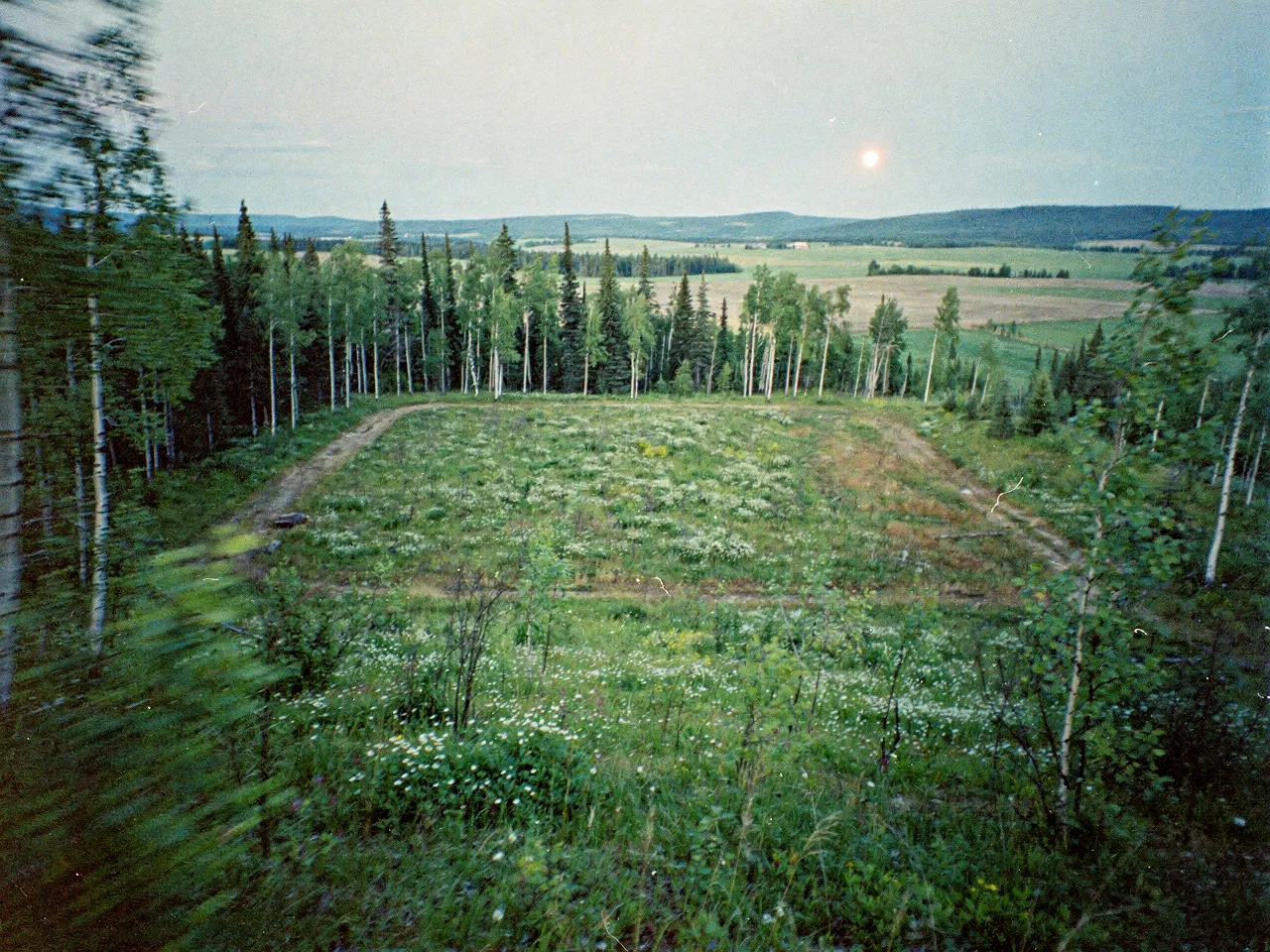
A Certificate of Restoration is the BC Energy Regulator’s sign-off that a former oil and gas site has been cleaned up to current standards. It comes at the end of a long sequence of work, and several different people carry that work. This guide sets out the sequence and shows which parts of it are earthworks.
It is a summary, not legal or regulatory advice. Restoration expectations are set out in Section 19 of the Environmental Protection and Management Regulation, and the Regulator’s Site Remediation and Reclamation Manual has the application requirements. Confirm the current requirements for your sites with the BC Energy Regulator.
The order of work
The Regulator describes the path from an active site to a certificate in steps:
- Deactivation. Lines are pigged and purged, and equipment is drained.
- Well decommissioning. The well is permanently plugged and the wellbore cut and capped.
- Site decommissioning. Surface equipment is removed for salvage or disposal.
- Investigation. The site history is reviewed and soil and groundwater are investigated.
- Remediation. Contaminated soil or groundwater is dealt with.
- Reclamation. Soils are put back and the site is revegetated.
Only once the site is fully reclaimed can the operator apply for the certificate.
The two stages of the certificate
The certificate process has two stages, often called Part 1 and Part 2.
- Stage one, environmental quality. A professional environmental assessment of the site, and remediation of any contamination it finds. Most sites need some physical investigation of soil or groundwater.
- Stage two, surface reclamation. A professional assessment of the surface reclamation, to confirm the productivity of the site has been adequately restored.
The responsibility sits with the operator, who provides a report from a qualified professional for each stage. Sites in the Agricultural Land Reserve have an additional site reclamation assessment, known as Schedule B.
Where the earthworks are
The assessments and the application belong to the operator and its professionals. The ground work in between is where an earthworks contractor fits.
In stage one, once the consultant has set the limits of the cleanup:
- Excavating contaminated soil to those limits
- Hauling it to a receiving facility. Soil classed as hazardous waste needs a licensed carrier
- Backfilling the excavation with clean fill
In stage two, to the reclamation plan:
- Pulling back the pad and, where required, the access road
- Decompacting the subsoil
- Recontouring to match the land around the site and its drainage
- Replacing the stockpiled topsoil
- Erosion-control earthworks until vegetation takes hold
Seeding, revegetation, and the reclamation assessment itself are specialist work. The earthworks contractor’s job is to leave the ground ready for them.
Why the earthworks matter to the certificate
The stage two assessment looks at whether the site will be productive again: whether the soil is loose enough for roots and water, whether the topsoil is back at the depth the plan calls for, and whether the land drains the way it did. Most of that is decided by how the earthworks were done. Compacted subsoil under good topsoil, or a recontour that holds water, can hold a certificate back.
What Reg Norman Trucking does
We take both kinds of earthworks. We excavate and haul contaminated soil under our Licence to Transport Hazardous Waste, number 1332, from the BC Ministry of Environment and Climate Change Strategy. We do the decompaction, recontouring, and topsoil replacement, and we supply clean fill and topsoil from our own pits where a site is short. We work to your consultant’s plan and coordinate with them on the sequence.
Enquire about well-site reclamation, or see our well-site and lease reclamation earthworks.
Talk through your project.
Tell dispatch the location, the work, and your preferred timing. We can work through the details together.
Send an enquiry