Tell us the scope
Share the location, what needs doing, and your preferred timing. Estimates are fine.
Returning sites to the ground they came from.
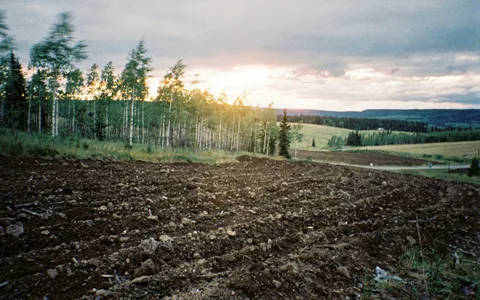
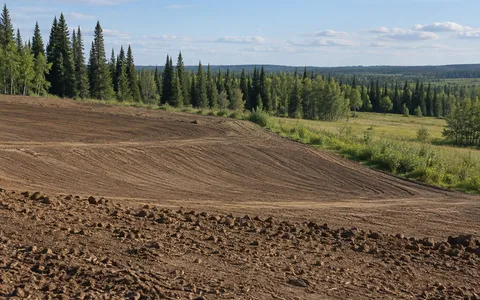
Excavation, haul-off, clean fill, and recontouring for reclamation and remediation projects across the Peace Region.
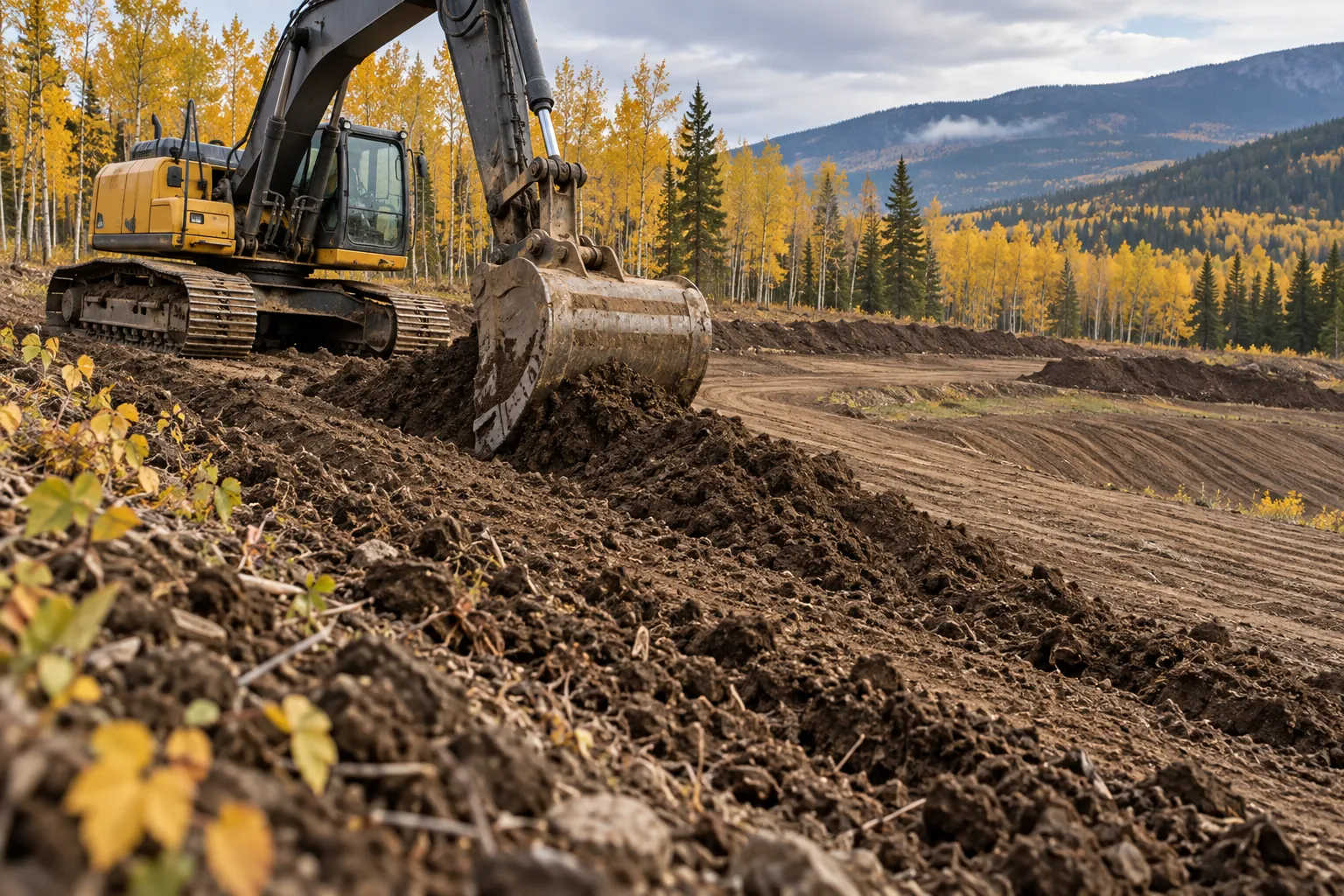
We are the heavy civil and materials side of reclamation and remediation. That means spill response, excavation and haul-off including licensed contaminated soil haul, recontouring and decompaction, topsoil placement, and erosion-control earthworks. Because we run our own pits, the clean fill and topsoil a site needs for backfill and cover come from a source we control.
Most enquiries we see fall into three kinds of work. Each has its own page with the scope and the questions to answer before you call.
British Columbia’s Dormancy and Shutdown Regulation, administered by the BC Energy Regulator, sets deadlines for decommissioning and restoring inactive oil and gas sites. For sites that were dormant at the end of 2018, the schedule calls for 70 per cent to be decommissioned by the end of 2026 and 70 per cent restored by the end of 2030. Sites that went dormant later run on their own clock, counted from the year they went dormant.
For many operators that is a list of sites to work through against dates that do not move. The Regulator consulted on changes to the regulation in 2025, so confirm the current requirements with the BC Energy Regulator. Our part is the ground: getting the earthworks scheduled and done.
A Certificate of Restoration from the BC Energy Regulator has two parts. Part 1 covers environmental quality: site assessment and any remediation of contamination. Part 2 covers surface reclamation: decompaction, recontouring, topsoil replacement, and re-establishing vegetation.
We work on both parts: excavating and hauling impacted soil under Part 1, and the earthwork that makes up much of Part 2. The assessment, the agronomic prescriptions, and the certification itself belong to qualified professionals. We coordinate with them rather than claim expertise we do not hold. You get one accountable contractor for the earthworks, and the right people for the rest.
Our yard is in Dawson Creek. We take reclamation and remediation earthworks in Dawson Creek, Fort St. John, and across northeast BC and the Alberta Peace. Material comes from our own pits, so the equipment and the fill come from one call to dispatch.
Share the location, what needs doing, and your preferred timing. Estimates are fine.
We discuss access, materials or equipment, and the information needed for your job.
Agree the scope and schedule with dispatch before making plans around the work.
Remediation deals with contamination: assessing it, then treating or removing impacted material. Reclamation returns the surface to a usable state through recontouring, decompaction, topsoil, and revegetation. We do the excavation, the haul, and the earthworks for both.
Our role is earthworks. We coordinate with specialists for agronomy, revegetation, and professional certification.
Yes. Clean fill and screened topsoil come from our own pits. Tell dispatch the volumes and any material specification in your plan.
Send the list of sites with locations and timing, and we can discuss how to sequence the work.
Yes. We excavate impacted soil and haul it to a receiving facility under our Licence to Transport Hazardous Waste, number 1332. Tell dispatch what the material is and what your consultant has specified for it.
Share the scope and site requirements with dispatch so we can discuss the earthwork portion.
A location and a short description are enough to start.
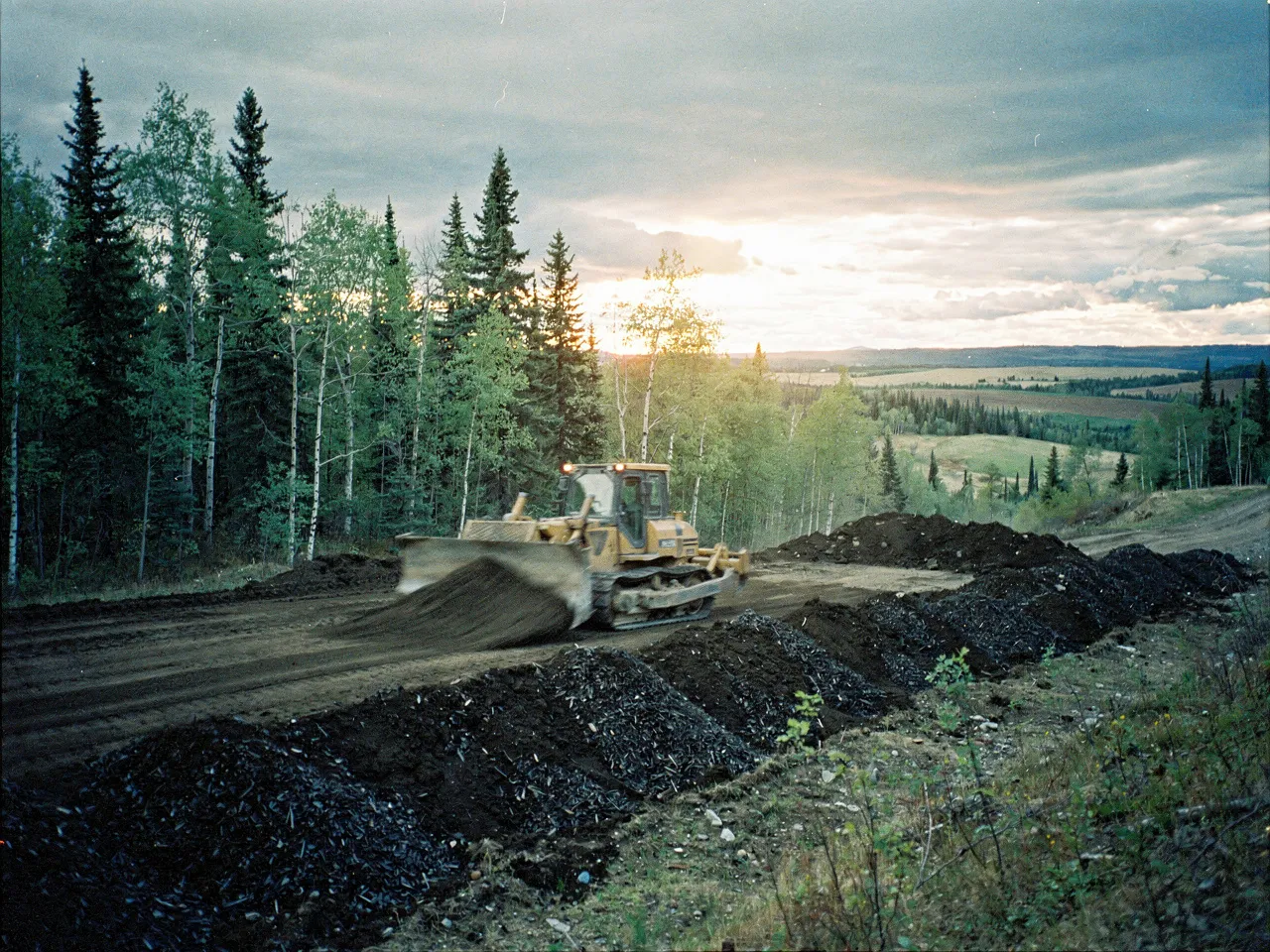
Pad and access road recontouring, decompaction, and topsoil replacement for dormant well sites and leases across northeast BC.
Explore the service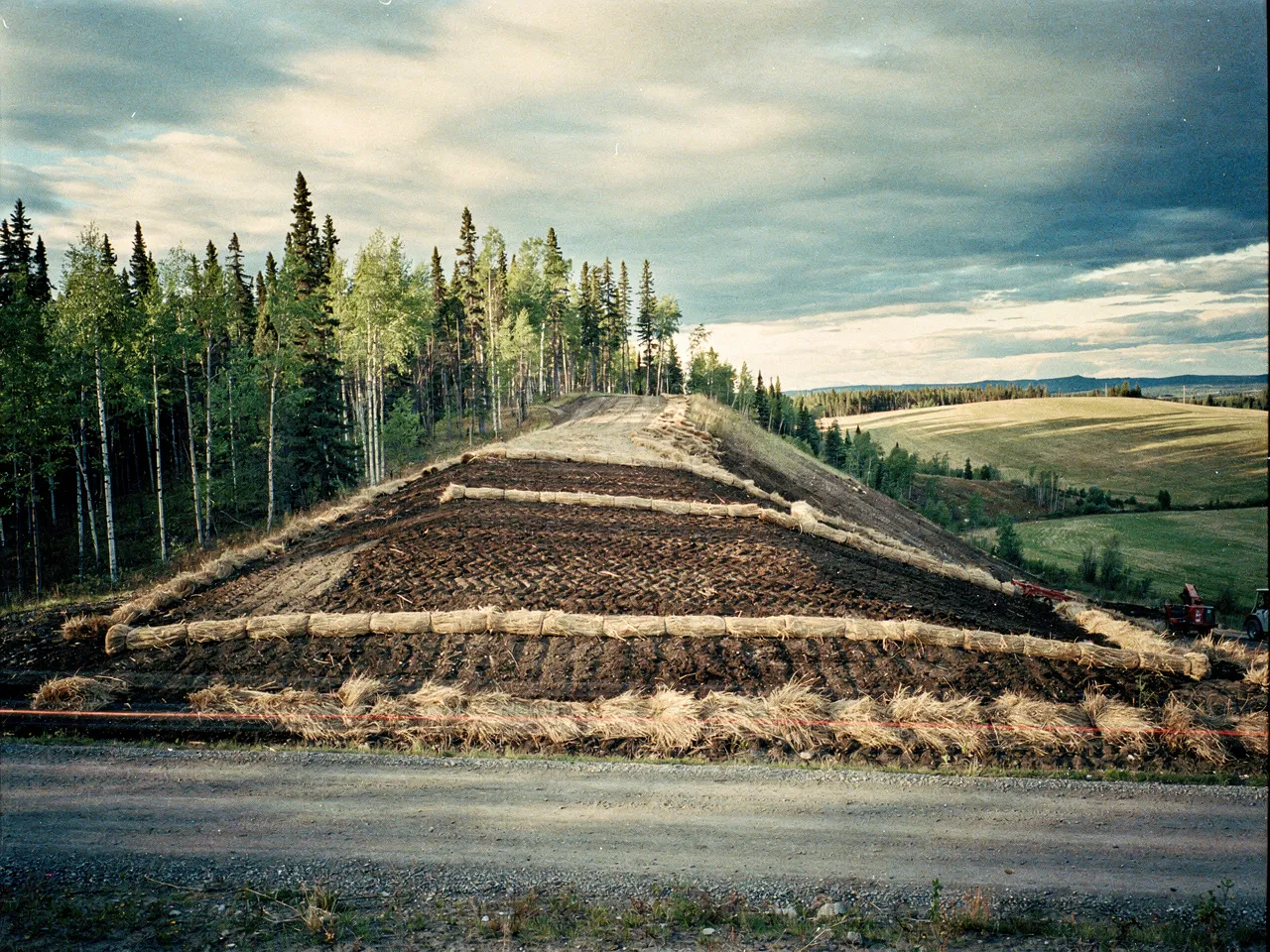
Trench settlement repair, recontouring, decompaction, and topsoil replacement on pipeline rights-of-way in northeast BC.
Explore the service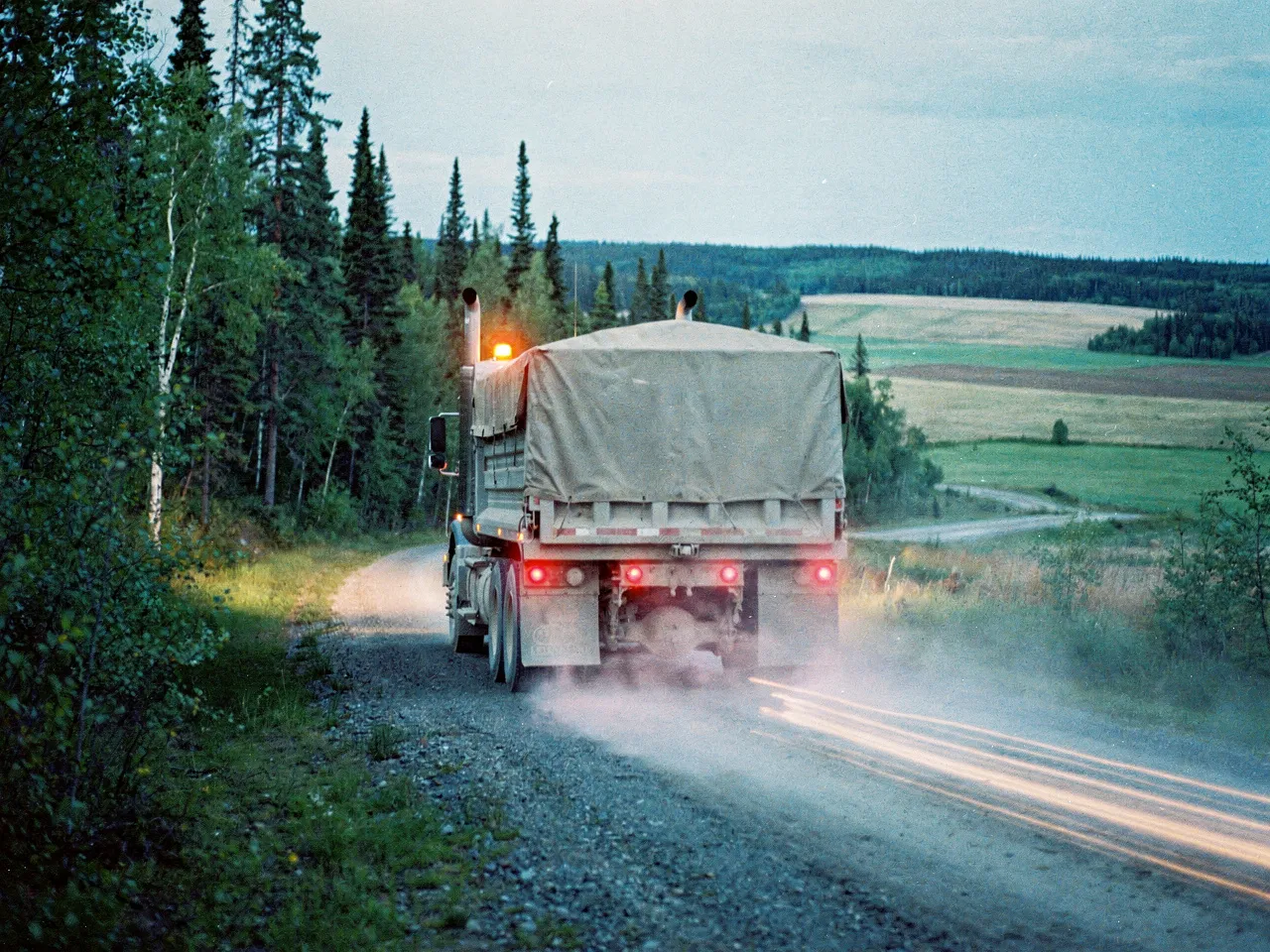
Spill response, excavation and licensed haul of contaminated soil, and backfill with clean fill from our own pits, across northeast BC.
Explore the service