
/ earthworks /
Dormant well sites in BC: reclamation deadlines and where earthworks fit
How the Dormancy and Shutdown Regulation and the Certificate of Restoration shape well-site reclamation, and which part of the work is earthworks.
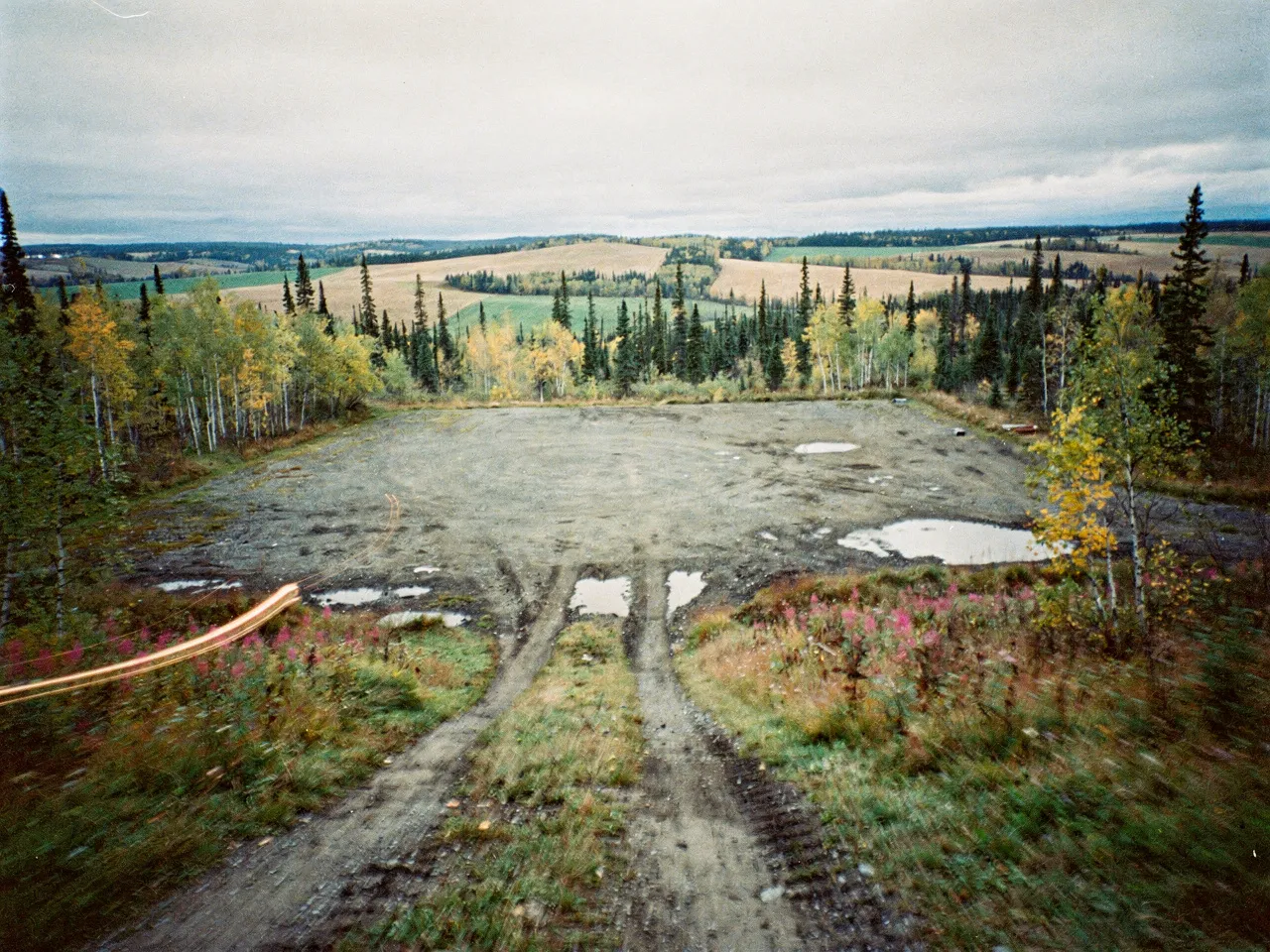
Dormant and abandoned well sites in British Columbia do not wait indefinitely for reclamation. The BC Energy Regulator sets dates for decommissioning and restoring them, and a growing share of that work is now due. This guide sets out the framework in plain terms and shows where an earthworks contractor fits.
It is a summary, not legal or regulatory advice. Confirm the requirements for your own sites with the BC Energy Regulator.
The Dormancy and Shutdown Regulation
The Dormancy and Shutdown Regulation sorts inactive sites by when they became dormant and gives each group its own schedule.
- Sites dormant at the end of 2018. The schedule calls for 70 per cent to be decommissioned by the end of 2026 and 70 per cent restored by the end of 2030, with the remainder following in later years.
- Sites that went dormant from 2019 onward. Each site runs on its own clock, counted in years from when it went dormant. Later sites have shorter windows.
- Priority sites. The Regulator can name a site as a priority and require it to be decommissioned, assessed, and restored on a shorter timeline.
The Regulator consulted on changes to the regulation in 2025, including longer planning horizons and annual work plan notices. Check which version applies before you build a schedule around it.
Decommissioning, then restoration
Decommissioning is the well and the surface equipment: abandoning the well and removing facilities. Restoration is the ground: assessing the site, remediating any contamination, and reclaiming the surface. The two are often done by different contractors at different times.
Where the Certificate of Restoration fits
A Certificate of Restoration has two parts.
- Part 1, environmental quality. Site assessment, and remediation of contamination where the assessment finds it.
- Part 2, surface reclamation. Decompaction, recontouring, topsoil replacement, and re-establishing vegetation.
Much of Part 2 is earthwork. The assessments, the agronomic prescriptions, and the application itself belong to qualified professionals.
What the earthworks contractor does
On a typical well-site reclamation, Reg Norman Trucking takes the physical work your consultant has scoped:
- Pulling back the pad and, where required, the access road
- Decompacting the subsoil
- Recontouring to match the surrounding land
- Replacing stockpiled topsoil, and supplying clean fill or topsoil from our own pits where a site is short
- Erosion-control earthworks
Seeding and revegetation follow, done by the specialist your project has chosen.
Planning a list of sites
If you are working through several dormant sites, send dispatch the list with locations, access notes, the consultant contact, and the dates you are working to. Grouping nearby sites and sequencing them around access and season is easier to discuss before the first one starts.
Enquire about well-site reclamation, or read more about our well-site and lease reclamation earthworks.
Talk through your project.
Tell dispatch the location, the work, and your preferred timing. We can work through the details together.
Send an enquiry